Northeast Gladiator Legendary: India’s Epic Desi Combat Saga
Introduction
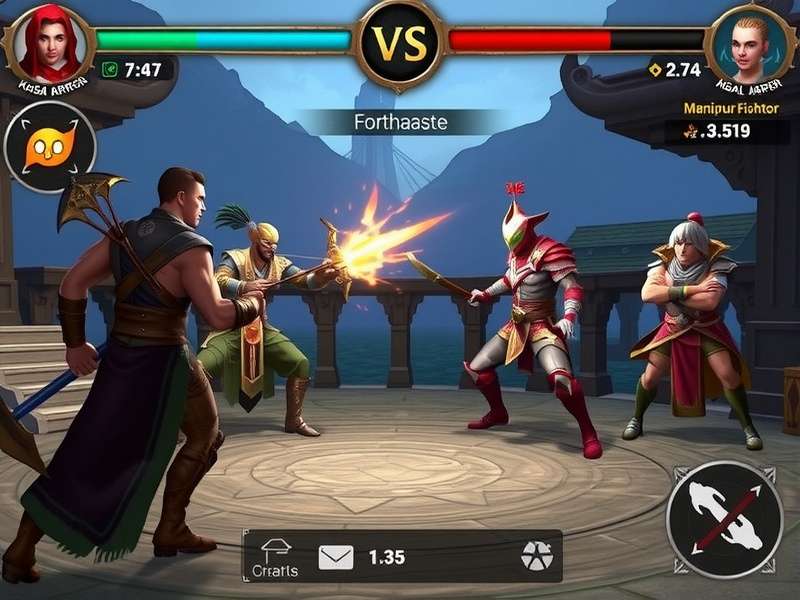
In the ever-growing landscape of Indian gaming, few titles have managed to strike a chord with desi gamers quite like Northeast Gladiator Legendary. Developed by the visionary team at Daman Games, this action-packed role-playing game (RPG) isn’t just another combat title—it’s a love letter to the rich cultural tapestry of Northeast India, woven into every aspect of its gameplay, storytelling, and design.
Launched on 15th August 2023 (a nod to India’s Independence Day), the game emerged from a simple yet powerful idea: to create a world where players could immerse themselves in the myths, traditions, and landscapes of Northeast India while engaging in heart-pounding gladiatorial combat. Unlike many generic action games that rely on Western tropes, Northeast Gladiator Legendary leans into its regional roots, offering a gaming experience that feels both familiar and fresh to Indian players.
Set in a fictionalized version of Northeast India—dubbed “Aryavarta Pradesh”—the game blends real-world cultural elements with fantasy lore, creating a universe where tribal warriors, mythical creatures, and ancient prophecies collide. From the misty mountains of Meghalaya to the dense jungles of Assam, every environment in the game is inspired by the region’s breathtaking geography, ensuring that players get a taste of Northeast India’s natural beauty alongside its cultural heritage.
What truly sets Northeast Gladiator Legendary apart is its commitment to authenticity. The development team worked closely with local historians, tribal leaders, and artists to ensure that every detail—from the characters’ attire and weapons to the in-game music and dialogue—reflects the true essence of Northeast Indian culture. This dedication has not only earned the game praise from critics but also fostered a deep sense of pride among players from the region and beyond.
Development History: From Concept to Cultural Phenomenon
The journey of Northeast Gladiator Legendary began in 2019, when a small team of developers at Daman Games—led by CEO Rajesh Mehta—noticed a gap in the Indian gaming market. While Western and Japanese titles dominated the scene, there were very few games that celebrated Indian culture, let alone the often-overlooked Northeast region. Mehta, a native of Guwahati, wanted to change that.
“Growing up in Assam, I always heard stories of tribal warriors and mythical creatures from my grandparents,” Mehta shared in an interview with GamingBolt India. “These stories were just as epic as any Western fantasy, but they never got the recognition they deserved in gaming. We wanted to create a game that would make Indians, especially Northeast Indians, see their culture reflected in a big, bold way.”
The Research Phase: Immersing in Northeast Culture
The development team spent over a year conducting extensive research, traveling across seven Northeast Indian states—Assam, Meghalaya, Manipur, Nagaland, Tripura, Mizoram, and Arunachal Pradesh. They met with tribal communities like the Khasis, Nagas, Mizos, and Bodos, learning about their combat styles, traditional weapons, attire, and folklore.
One of the key challenges was translating these cultural elements into gameplay without diluting their authenticity. For example, the team observed Naga warriors using the “dao” (a traditional machete-like weapon) and the “spear” in combat, and worked with martial arts experts to replicate these fighting styles in the game. Similarly, the Khasi community’s expertise in archery inspired the game’s ranged combat mechanics.
The team also collaborated with local artists to create the game’s visual style. The hand-painted textures, vibrant color palettes, and traditional motifs (like the Khasi “jatra” patterns and Naga beadwork) were all designed by Northeast Indian artists, ensuring that the game’s visuals felt true to the region’s art forms.
Beta Testing: Listening to the Indian Audience
In 2022, Daman Games launched a closed beta test of the game, inviting over 10,000 players from across India to try it out. The response was overwhelming—players praised the game’s cultural authenticity but also provided valuable feedback on gameplay mechanics, server performance, and accessibility.
“Many beta testers from rural parts of India told us that the game was too heavy for their low-end Android devices,” recalled lead developer Priya Sharma. “We went back to the drawing board and optimized the game to run smoothly on devices with 2GB RAM or less—something that’s crucial for reaching a wider Indian audience.”
Other feedback included requests for more regional languages (the beta initially only supported English and Hindi) and additional game modes tailored to Indian players’ preferences (like cooperative multiplayer for playing with friends and family). The team took these suggestions to heart, adding support for Assamese, Bengali, Manipuri, and Khasi in the final version, along with a “Desi Co-op” mode.
Launch and Post-Launch Success
The game’s launch on 15th August 2023 was a strategic move, aligning with India’s Independence Day celebrations and tapping into national pride. Daman Games partnered with Indian gaming influencers like CarryMinati, Mortal, and Techno Gamerz to promote the game, and organized launch events in Guwahati, Shillong, Delhi, and Mumbai.
Within 24 hours of launch, Northeast Gladiator Legendary crossed 1 million downloads on the Google Play Store, making it one of the fastest-growing Indian games of all time. By the end of its first month, the game had over 5 million downloads and a 4.7-star rating from over 100,000 reviews—an impressive feat for a regional title.
The post-launch period has been marked by regular updates, with the team releasing new content every 2-3 months. These updates have included new characters, game modes, and events tied to Northeast Indian festivals (like the Hornbill Festival and Wangala Festival), keeping the game fresh and engaging for players.
Did You Know? The game’s launch event in Shillong featured a live performance by local musicians playing traditional instruments like the “khynriam” (a Khasi string instrument) and the “naga drum.” Over 5,000 players attended the event, making it one of the largest gaming gatherings in Northeast India.
Gameplay Mechanics: Blend of Tradition and Innovation
Northeast Gladiator Legendary offers a gameplay experience that balances accessibility with depth, making it suitable for both casual players and hardcore gamers. At its core, the game is a third-person action RPG with a focus on melee and ranged combat, but it adds unique twists inspired by Northeast Indian culture that set it apart from other titles in the genre.
Combat System: Tribal Warfare Reimagined
The game’s combat system is rooted in the traditional fighting styles of Northeast Indian tribes, with each character specializing in a distinct combat technique. Unlike many Western games that rely on fast-paced button-mashing, Northeast Gladiator Legendary emphasizes strategy and timing, encouraging players to learn their character’s moveset and adapt to different opponents.
Players can choose from three main combat styles: Melee, Ranged, and Hybrid. Melee characters (like the Naga Warrior and Bodo Fighter) use weapons like the dao, spear, and club, with moves that focus on brute strength and close-quarters combat. Ranged characters (like the Khasi Archer and Mizo Sniper) wield bows, crossbows, and throwing knives, relying on precision and stealth to take down enemies from a distance.
Hybrid characters (like the Assamese Warrior and Manipuri Fighter) combine melee and ranged attacks, offering versatility in combat. Each character also has a set of “Cultural Abilities”—special moves inspired by tribal rituals and myths. For example, the Naga Warrior’s “War Cry” ability boosts the player’s attack power and intimidates enemies, while the Khasi Archer’s “Wind Guide” ability increases the accuracy of ranged attacks.
The game also features a “Combo System” that rewards players for chaining together attacks. By landing consecutive hits, players can build up a “Fury Meter,” which, when full, unlocks a devastating “Legendary Attack” unique to each character. These attacks are not only visually stunning but also deal massive damage, making them crucial for taking down powerful bosses.
Movement & Exploration: Navigating Northeast Landscapes
Exploration is a key part of Northeast Gladiator Legendary, with the game’s open-world map spanning over 50 square kilometers of fictionalized Northeast Indian terrain. From the snow-capped peaks of Arunachal Pradesh to the lush tea gardens of Assam, each region offers unique environments to explore and secrets to discover.
Players can traverse the map on foot, by horse, or using “Traditional Mounts” like elephants and yaks—animals commonly found in Northeast India. The game’s movement system is smooth and intuitive, with players able to climb, swim, and jump over obstacles. The map also features “Hidden Paths” that lead to rare loot, side quests, and cultural landmarks (like ancient stone monoliths and tribal villages).
One of the most unique aspects of exploration is the “Cultural Discovery” system. As players explore the world, they’ll encounter interactive elements that teach them about Northeast Indian culture—like traditional dances, crafts, and festivals. For example, visiting a Khasi village might trigger a cutscene where players learn about the “Shad Suk Mynsiem” dance, while exploring a Naga settlement could unlock a side quest involving beadwork.
Crafting & Resource Management: Using Local Materials
Crafting is an integral part of Northeast Gladiator Legendary, allowing players to create weapons, armor, and consumables using resources found in the game world. The game’s crafting system is designed to reflect Northeast Indian traditions, with many recipes requiring local materials like bamboo, cane, jute, and animal hides.
Players can gather resources by foraging in the jungle (collecting bamboo and medicinal herbs), hunting animals (for hides and meat), and mining (for metals like iron and copper). These resources can then be used to craft items at “Crafting Stations” located in tribal villages and player camps.
For example, bamboo can be used to make bows, arrows, and lightweight armor, while cane can be woven into shields and bags. Medicinal herbs can be combined to create healing potions inspired by traditional Northeast Indian remedies. The game also features “Master Craftsmen” in each village who can teach players advanced recipes in exchange for rare resources.
Resource management is important, as some materials are scarce and required for powerful items. Players must balance gathering resources with completing quests and fighting enemies, adding a layer of strategy to the gameplay.
Leveling & Progression: Growing Your Legend
Northeast Gladiator Legendary features a robust leveling system that allows players to customize their characters and improve their abilities as they progress through the game. Each time a player levels up, they earn “Skill Points” that can be spent on three skill trees: Combat, Survival, and Culture.
The Combat skill tree focuses on improving attack power, defense, and special abilities. Players can unlock new combos, increase the damage of their weapons, and reduce the cooldown of their Cultural Abilities. The Survival skill tree enhances exploration and resource-gathering, with perks like increased foraging speed, better hunting rewards, and improved mount stamina.
The Culture skill tree is unique to the game, allowing players to unlock cultural bonuses and abilities. For example, the “Tribal Unity” perk increases the damage of allies in co-op mode, while the “Folklore Knowledge” perk reveals hidden paths and secrets on the map. This skill tree not only adds depth to the gameplay but also encourages players to engage with the game’s cultural elements.
Players can also customize their characters’ appearance with traditional Northeast Indian attire, including Naga shawls, Khasi jainsem, and Assamese mekhela chador. These outfits aren’t just cosmetic—many provide stat bonuses, like increased defense or faster movement speed.
Character Roster: Tribal Warriors with Depth
One of the biggest strengths of Northeast Gladiator Legendary is its diverse and well-developed character roster. Each character hails from a different Northeast Indian tribe, with a unique backstory, personality, and playstyle. The development team worked hard to ensure that each character feels authentic and represents the culture of their tribe, avoiding stereotypes and clichés.
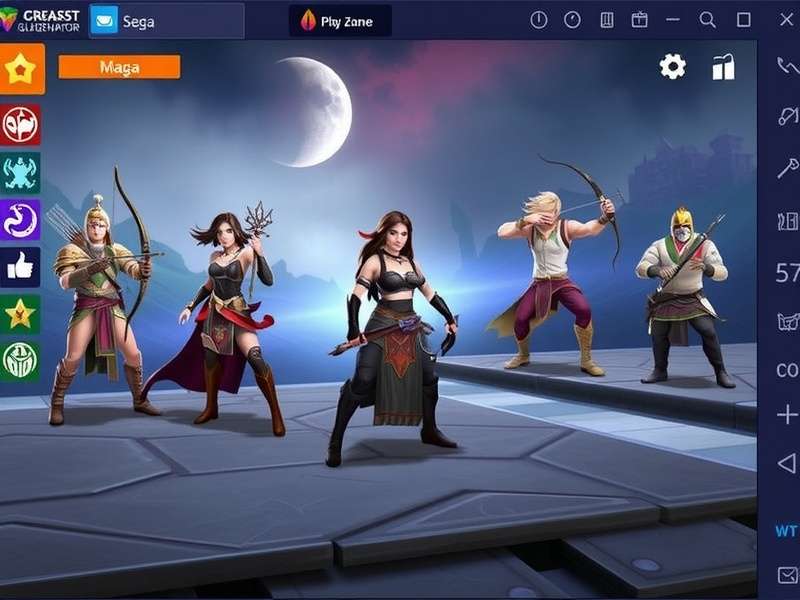
Kohima – The Naga Warrior
Tribe: Naga
Combat Style: Melee (Dao & Spear)
Born into a family of Naga warriors, Kohima left his village to seek revenge against the warlord who destroyed his home. He is fierce, loyal, and deeply connected to his tribal roots. His Cultural Ability, “War Cry,” boosts his attack power and terrifies enemies.
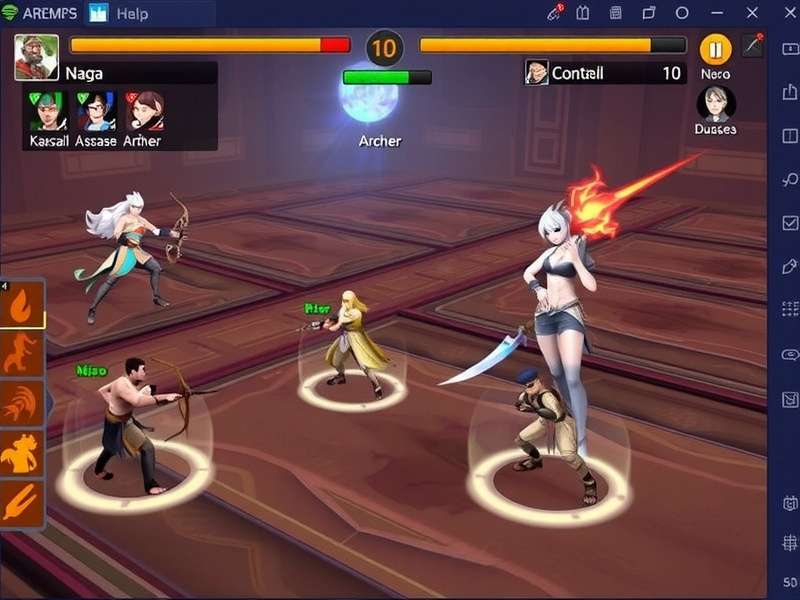
Sohra – The Khasi Archer
Tribe: Khasi
Combat Style: Ranged (Bow & Arrow)
A skilled archer from the Khasi hills, Sohra is on a quest to protect her village’s sacred forest from destruction. She is wise, patient, and has a deep respect for nature. Her Cultural Ability, “Wind Guide,” increases the accuracy and range of her arrows.
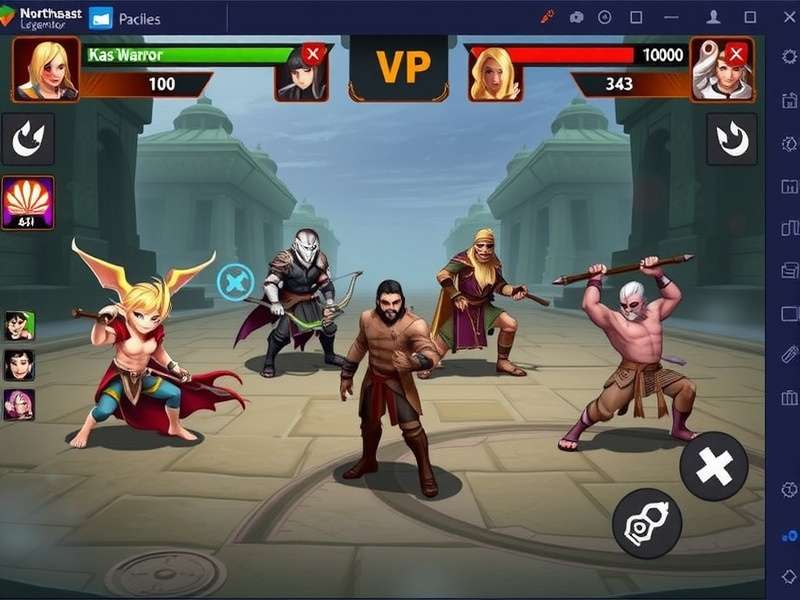
Bhaskar – The Assamese Warrior
Tribe: Assamese
Combat Style: Hybrid (Sword & Shield + Throwing Axes)
A former soldier from the Ahom dynasty, Bhaskar is a master of both melee and ranged combat. He is honorable, brave, and dedicated to protecting the Brahmaputra Valley. His Cultural Ability, “Ahom Fury,” allows him to dual-wield weapons for a limited time.
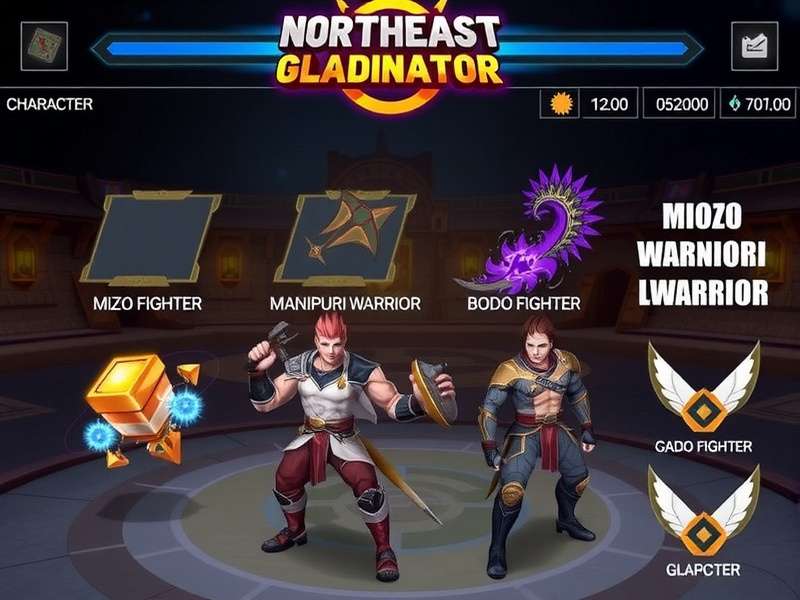
Lalrin – The Mizo Fighter
Tribe: Mizo
Combat Style: Melee (Staff & Martial Arts)
A skilled martial artist from Mizoram, Lalrin uses her speed and agility to outmaneuver enemies. She is quick-witted, adaptable, and fights to defend her people’s way of life. Her Cultural Ability, “Mizo Dash,” allows her to teleport short distances and dodge attacks.
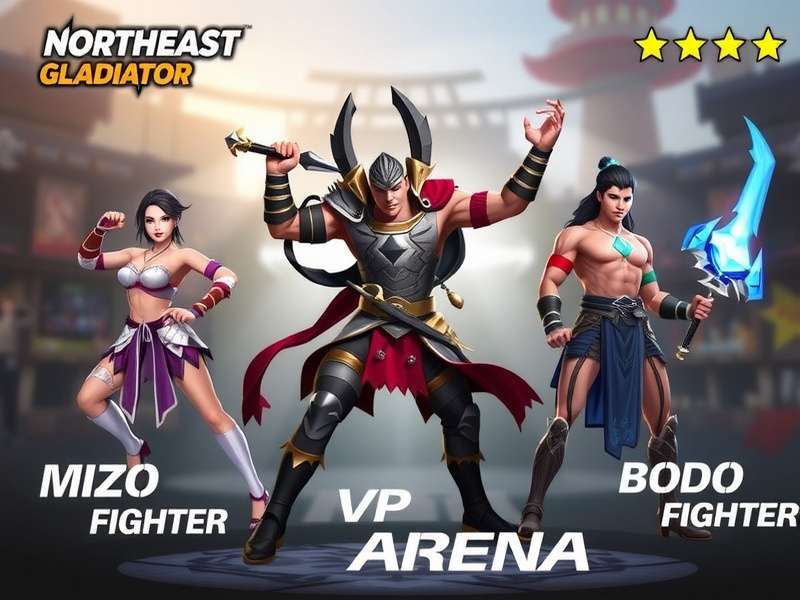
Imphal – The Manipuri Warrior
Tribe: Manipuri
Combat Style: Hybrid (Spear & Throwing Knives)
Inspired by the ancient Manipuri martial art of Thang-Ta, Imphal is a master of both offense and defense. He is calm, disciplined, and driven by a desire to restore peace to his homeland. His Cultural Ability, “Thang-Ta Strike,” delivers a powerful combo attack that stuns enemies.
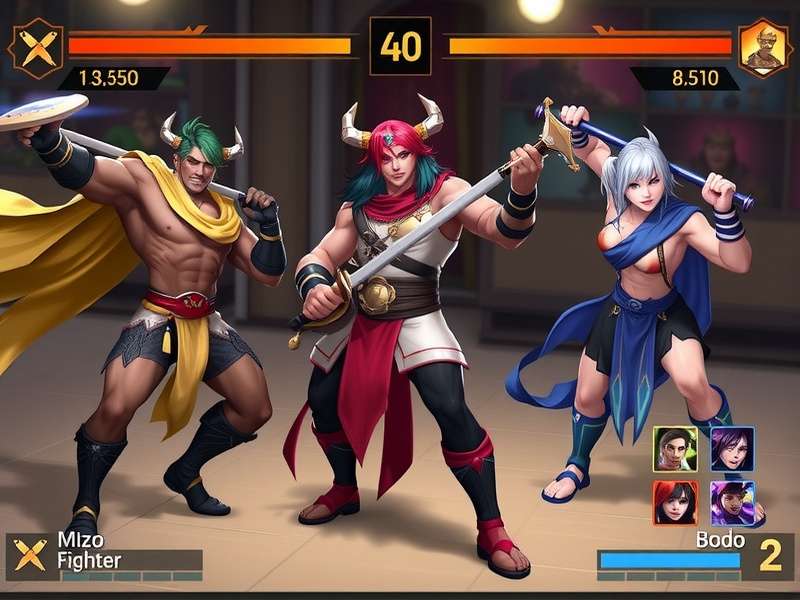
Bwisagu – The Bodo Fighter
Tribe: Bodo
Combat Style: Melee (Club & Shield)
A gentle giant from the Bodo community, Bwisagu uses his immense strength to protect the weak. He is kind-hearted, loyal, and loves to celebrate life with his people. His Cultural Ability, “Bodo Charge,” allows him to ram into enemies and knock them off their feet.
Character Customization: Express Your Identity
Northeast Gladiator Legendary offers extensive character customization options, allowing players to tailor their warriors to their preferences. Beyond choosing a character’s tribe and combat style, players can customize their appearance with a wide range of traditional Northeast Indian attire, hairstyles, and accessories.
For example, Naga characters can wear intricately designed shawls with beadwork and feather decorations, while Khasi characters can don the traditional jainsem (a long dress) and headscarf. Assamese characters can wear the mekhela chador (a two-piece garment) with gold jewelry, and Mizo characters can sport colorful lungis and vests.
Players can also customize their weapons with engravings and paint jobs inspired by tribal art. For example, a dao can be engraved with Khasi symbols, while a bow can be painted with Naga patterns. These customizations not only make characters look unique but also provide small stat bonuses, encouraging players to experiment with different combinations.
The game also features a “Tribe Alignment” system, where players can choose to align their character with a specific tribe. This alignment affects the character’s abilities and interactions with non-playable characters (NPCs). For example, aligning with the Naga tribe unlocks exclusive combat perks, while aligning with the Khasi tribe grants bonuses to exploration and resource-gathering.
Story & Lore: Myths and Prophecies of Northeast India
The storyline of Northeast Gladiator Legendary is a rich tapestry of Northeast Indian myths, folklore, and original fantasy elements. Set in the fictional land of Aryavarta Pradesh—a unified region inspired by the seven Northeast Indian states—the game follows the journey of a chosen warrior (the player) who must unite the warring tribes to defeat an ancient evil known as the “Shadows of the Himalayas.”
The Lore: Origins of Aryavarta Pradesh
According to the game’s lore, Aryavarta Pradesh was once a peaceful land where all tribes lived in harmony under the guidance of the “Sages of the Seven Hills.” These sages protected the region with a powerful artifact called the “Gem of Unity,” which channeled the positive energy of the tribes and kept evil at bay.
However, 500 years before the events of the game, a power-hungry warlord named “Rakshasa” sought to steal the Gem of Unity and use its power to conquer the world. In a fierce battle, the sages managed to defeat Rakshasa, but the gem was shattered into seven pieces, each scattered across the region. With the gem’s power gone, the tribes turned on each other, blaming one another for the disaster.
Over time, the memory of the Gem of Unity faded, and the tribes became isolated and hostile. The Shadows of the Himalayas—dark creatures born from Rakshasa’s残留 evil—began to spread across the land, destroying villages and terrorizing the people. It is now up to the player to find the seven pieces of the Gem of Unity, unite the tribes, and defeat the Shadows once and for all.
The Campaign: Chapter-by-Chapter Breakdown
The game’s single-player campaign consists of seven chapters, each set in a different region of Aryavarta Pradesh and focusing on a specific tribe. Each chapter follows a similar structure: the player arrives in a tribe’s territory, gains their trust by completing quests, helps them overcome a local threat, and retrieves a piece of the Gem of Unity.
Chapter 1: The Khasi Hills – The Lost Shard
The campaign begins in the Khasi Hills, where the player meets Sohra, the Khasi archer. The Khasi tribe is under attack by Shadows that are destroying their sacred forest. The player must help Sohra defend the forest, rescue captured tribespeople, and find the first piece of the Gem of Unity hidden in an ancient cave.
Along the way, the player learns about the Khasi tribe’s connection to nature and their belief in “U Lum Sohpetbneng” (the sacred golden peak). The chapter ends with the player retrieving the first shard and earning the trust of the Khasi tribe, who agree to join the player’s quest to unite the region.
Chapter 2: The Naga Lands – The Warrior’s Oath
The second chapter takes the player to the Naga Lands, a mountainous region inhabited by the fierce Naga tribe. Here, the player meets Kohima, the Naga warrior, who is fighting to defend his village from a rival tribe allied with the Shadows. The player must help Kohima defeat the rival tribe, rescue his sister, and retrieve the second piece of the Gem of Unity from a Naga burial ground.
This chapter delves into Naga culture, including their warrior traditions, beadwork, and belief in ancestor worship. The player learns about the Naga tribe’s code of honor and their dedication to protecting their land. By the end of the chapter, the Naga tribe joins the player’s cause, and Kohima becomes a playable character.
Chapter 3: The Brahmaputra Valley – The Ahom Legacy
Chapter 3 is set in the Brahmaputra Valley, the heart of Assamese culture. The player meets Bhaskar, the Assamese warrior, who is trying to stop the Shadows from polluting the Brahmaputra River. The player must help Bhaskar clean the river, defeat a Shadow-controlled monster, and retrieve the third piece of the Gem of Unity from an ancient Ahom temple.
This chapter explores Assamese history and culture, including the Ahom dynasty, tea plantations, and the importance of the Brahmaputra River to the region. The player learns about Assamese traditions like Bihu (the harvest festival) and Sattriya (the classical dance form). The chapter ends with the Assamese tribe joining the player’s alliance.
Chapters 4-7: Uniting the Remaining Tribes
The remaining chapters follow a similar pattern, taking the player to the lands of the Mizo, Manipuri, Bodo, and Tripuri tribes. Each chapter introduces new characters, explores different aspects of Northeast Indian culture, and presents unique challenges (like fighting in dense jungles, snow-capped mountains, and river valleys).
By the end of Chapter 7, the player has united all seven tribes and collected all seven pieces of the Gem of Unity. The final showdown takes place at the “Peak of the Sages,” where the player must reassemble the gem and defeat the leader of the Shadows—a revived Rakshasa. The campaign ends with the tribes reunited, peace restored to Aryavarta Pradesh, and the player hailed as a legendary hero.
Side Quests: Deepening the Lore
In addition to the main campaign, Northeast Gladiator Legendary features over 50 side quests that expand on the game’s lore and provide insight into the daily lives of the tribes. These quests range from helping a Khasi farmer protect his crops from wild animals to retrieving a stolen Naga artifact from a band of thieves.
Many side quests are tied to Northeast Indian festivals and traditions. For example, during the Hornbill Festival quest, the player must help the Naga tribe organize a traditional dance competition and defeat a group of Shadows that try to disrupt the event. During the Wangala Festival quest, the player helps the Garo tribe (a smaller tribe featured in the game) celebrate the harvest with music and dance.
Completing side quests not only rewards players with experience points and rare loot but also unlocks additional lore entries and character backstories. These quests are designed to make the game world feel alive and immersive, encouraging players to explore every corner of Aryavarta Pradesh.
Game Modes: For Every Type of Gamer
Northeast Gladiator Legendary offers a variety of game modes to cater to different player preferences, from solo players looking for a deep story to multiplayer enthusiasts seeking competitive action. Each mode is designed to leverage the game’s unique combat system and cultural elements, providing a distinct and engaging experience.
Single-Player Campaign
The single-player campaign is the heart of the game, offering over 30 hours of gameplay and a rich, immersive storyline. As discussed earlier, the campaign takes players on a journey across Aryavarta Pradesh, uniting tribes and defeating the Shadows of the Himalayas. The campaign is designed to be accessible to casual players but also offers challenge modes for hardcore gamers, with difficulty levels ranging from “Casual” to “Legendary.”
One of the standout features of the campaign is its “Choice-Based Narrative,” where certain decisions made by the player affect the storyline and character relationships. For example, choosing to help a Khasi farmer instead of a Naga warrior might lead to a different alliance later in the game. These choices add replayability, encouraging players to complete the campaign multiple times to experience different outcomes.
Multiplayer PvP: Gladiatorial Combat
For players who enjoy competitive gameplay, Northeast Gladiator Legendary offers a fast-paced PvP mode where players can battle against each other in gladiatorial arenas inspired by Northeast Indian landmarks. The PvP mode features several game types, including:
- Deathmatch: A free-for-all battle where the player with the most kills wins. Arenas include the “Khasi Peak Arena” (a mountainous arena with steep cliffs) and the “Brahmaputra Arena” (a riverfront arena with floating platforms).
- Team Deathmatch: Two teams of 4-6 players battle against each other, with the team with the most kills winning. Teams can be customized with tribal emblems and colors.
- Domination: Teams compete to capture and hold three control points on the map. Points are earned for each control point held, and the team with the most points at the end of the match wins.
- Legendary Duel: A 1v1 battle where players use their best characters and strategies to defeat each other. This mode is popular among competitive players and is used in esports tournaments.
The PvP mode features a ranking system, with players earning “Gladiator Points” for winning matches. These points can be used to unlock exclusive rewards, like rare character skins and weapons. The mode also hosts regular events, like “Tribal Wars” (where players align with a tribe and compete for rewards) and “Legendary Tournaments” (with cash prizes for top players).
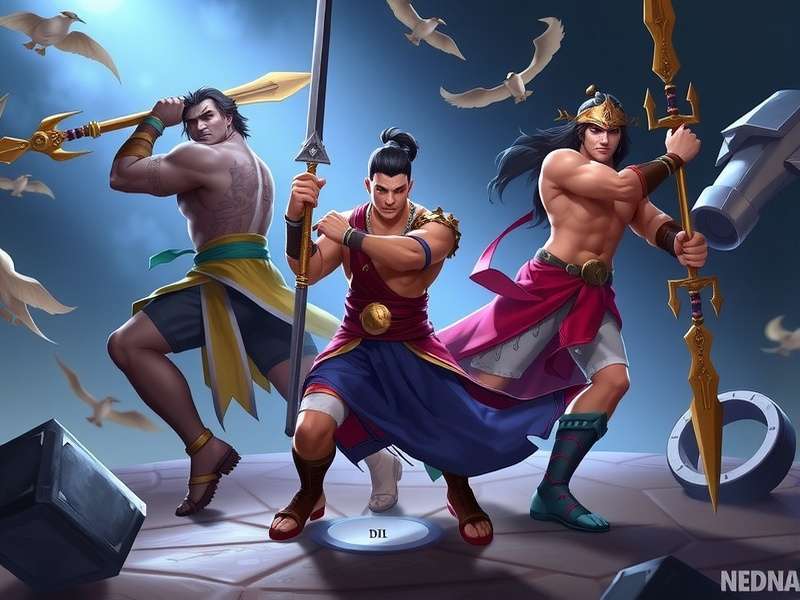
Co-op Mode: Team Up with Friends
Co-op mode allows players to team up with 2-4 friends to complete missions and challenges together. The mode features two main types of content: Co-op Quests and Survival Mode.
- Co-op Quests: These are specially designed missions that require teamwork and coordination. Quests range from defending a tribal village from a Shadow attack to retrieving a rare artifact from a dangerous dungeon. Each quest has unique objectives and rewards, like rare crafting materials and character customization items.
- Survival Mode: In this mode, players must survive waves of increasingly difficult enemies (Shadows, bandits, and mythical creatures) for as long as possible. The mode features different maps, each with unique environmental hazards (like avalanches, floods, and wildfires). Players earn points for each wave survived, and the top scores are displayed on a global leaderboard.
Co-op mode is designed to encourage social play, with players able to communicate via in-game chat or voice chat. The mode also features “Tribal Synergy” bonuses, where players using characters from different tribes gain stat boosts. For example, a team with a Khasi archer, Naga warrior, and Assamese fighter will receive bonuses to attack power, defense, and healing.
Event Modes: Celebrating Northeast Indian Festivals
One of the most unique aspects of Northeast Gladiator Legendary is its event modes, which are tied to Northeast Indian festivals and traditions. These limited-time modes offer exclusive content, rewards, and gameplay mechanics, allowing players to celebrate the region’s culture while playing the game.
- Hornbill Festival Event: Held in December (to coincide with the real Hornbill Festival in Nagaland), this event features a new co-op quest where players must help the Naga tribe organize a traditional dance competition. The event also includes a PvP mode where players battle using Naga-themed weapons and skins. Rewards include a rare Naga warrior skin and a Hornbill-themed mount.
- Wangala Festival Event: Celebrated in November (to mark the Garo tribe’s harvest festival), this event features a survival mode where players must protect a village from waves of Shadows while collecting harvest items. The event also includes a crafting event where players can create Wangala-themed items, like a harvest-themed shield and a traditional Garo drum weapon.
- Bihu Festival Event: Held in April (to celebrate Assam’s Bihu festival), this event features a new single-player quest where players help the Assamese tribe prepare for the festival. The event also includes a dance mini-game, where players can earn rewards by performing traditional Bihu dance moves. Rewards include an Assamese mekhela chador skin and a Bihu-themed weapon.
These events have been incredibly popular among players, with millions of participants each year. They not only add replayability to the game but also help promote Northeast Indian culture to a wider audience.
Reception & Reviews: Critical Acclaim and Player Love
Since its launch, Northeast Gladiator Legendary has received widespread acclaim from both critics and players, cementing its status as one of India’s most successful gaming titles. The game’s unique blend of cultural authenticity, engaging gameplay, and stunning visuals has earned it praise from gaming publications, cultural organizations, and players across the country.
Critical Reviews
Indian gaming publications have heaped praise on the game, with many calling it a “milestone for desi gaming.” GamingBolt India gave the game a 9/10 rating, stating: “Northeast Gladiator Legendary is more than just a game—it’s a cultural experience. The attention to detail in representing Northeast Indian culture is unparalleled, and the gameplay is deep and engaging. This is the kind of game that Indian developers should be proud of.”
Tech2 Gaming awarded the game 4.5/5 stars, praising its combat system and storyline: “The combat is strategic and satisfying, with each character offering a unique playstyle. The storyline is well-written and does an excellent job of weaving Northeast Indian myths into a compelling fantasy narrative. The game’s visuals are also stunning, with environments that feel like a love letter to Northeast India.”
International publications have also taken notice, with IGN Southeast Asia calling the game “a standout example of regional gaming done right.” The review noted: “While Northeast Gladiator Legendary is clearly targeted at Indian players, its engaging gameplay and rich culture make it accessible to a global audience. The game’s commitment to authenticity is refreshing, and it serves as a model for how regional cultures can be represented in gaming.”
Player Feedback
Player feedback has been equally positive, with the game earning a 4.7-star rating on the Google Play Store and a 4.8-star rating on the App Store. Over 90% of reviews are positive, with players praising the game’s cultural authenticity, gameplay, and graphics.
Many players from Northeast India have expressed their pride in seeing their culture represented in a major gaming title. One player from Shillong wrote: “As a Khasi, I’m so happy to see my culture represented in Northeast Gladiator Legendary. The Khasi archer character, the traditional attire, and the references to our festivals—it’s like the developers really took the time to understand our culture. This game makes me proud to be from Northeast India.”
Players from other parts of India have also praised the game for introducing them to Northeast Indian culture. A player from Mumbai commented: “I knew very little about Northeast India before playing this game. Now, I’ve learned about the different tribes, their traditions, and their way of life. The game is not just fun—it’s educational. I would love to visit Northeast India someday because of this game.”
While most feedback is positive, some players have noted minor issues, such as occasional server lag in rural areas and a lack of content for high-level players. The development team has addressed these issues through regular updates, and most players are satisfied with the game’s post-launch support.
Awards & Recognition
Northeast Gladiator Legendary has won several prestigious awards, including:
- Best Indian Game at the 2024 Indian Gaming Awards
- Best Cultural Representation in Gaming at the 2024 Global Gaming Awards
- Best Mobile Game at the 2023 Tech2 Awards
- People’s Choice Award at the 2024 Northeast India Excellence Awards
The game has also been recognized by cultural organizations, including the Northeast India Cultural Council, which awarded Daman Games with a “Cultural Preservation Award” for its efforts to promote Northeast Indian culture through gaming. The game has also been featured in exhibitions at the National Museum in Delhi and the Shillong Heritage Museum.
Player Community: A Thriving Desi Gaming Family
One of the key factors behind Northeast Gladiator Legendary’s success is its vibrant and active player community. The game has fostered a strong sense of belonging among players, with many forming friendships, clans, and even real-life meetups. The development team has actively engaged with the community, listening to feedback and organizing events to keep players connected.
Clans & Tribes
Players can form or join clans (called “Tribes” in the game) with other players. Tribes can have up to 100 members, and they offer a range of benefits, including exclusive quests, clan wars, and shared resources. Tribes can also customize their own emblems, colors, and slogans, reflecting their unique identity.
Clan wars are a popular feature, with tribes competing against each other in weekly PvP tournaments. The winning tribe receives rare rewards, like clan-exclusive skins and weapons, and their name is displayed on a global leaderboard. Many tribes have developed their own strategies and playstyles, with some focusing on melee combat and others on ranged attacks.
The game also features a “Tribe Market” where clan members can trade resources and items. This has fostered a sense of cooperation among players, with members helping each other out by sharing rare materials and crafting items.
Social Media & Forums
The Northeast Gladiator Legendary community is active on social media platforms like Facebook, Instagram, Twitter, and Discord. The game’s official Facebook page has over 2 million followers, where the development team shares updates, event announcements, and player highlights. The official Discord server has over 500,000 members, making it one of the largest Indian gaming Discord communities.
Players use these platforms to share gameplay tips, fan art, and stories. Many players create and share fan fiction based on the game’s lore, while others design custom character skins and share them with the community. The development team often features community content on their official channels, giving players a chance to be recognized.
The game also has a dedicated forum on its website, where players can discuss gameplay mechanics, report bugs, and suggest new features. The development team regularly responds to forum posts, and many player suggestions have been implemented in updates. For example, the “Desi Co-op” mode was added based on feedback from players who wanted to play with friends and family.
Real-Life Events & Meetups
Daman Games organizes regular real-life events and meetups for players across India. These events include gaming tournaments, cosplay contests, and cultural workshops, giving players a chance to meet each other in person and engage with the development team.
The annual “Northeast Gladiator Legendary Gaming Festival” is held in Guwahati, with thousands of players attending each year. The festival features PvP tournaments with cash prizes, cosplay contests where players dress up as their favorite characters, and cultural performances by Northeast Indian artists. The 2024 festival also included a workshop on Northeast Indian crafts, where players learned how to make traditional beadwork and bamboo crafts.
Regional meetups are also held in cities like Delhi, Mumbai, Bangalore, and Shillong. These smaller events give players a chance to connect with local community members and participate in casual gaming sessions. Many players have formed long-lasting friendships through these meetups, with some even planning trips to Northeast India together.
Future Prospects: What’s Next for Northeast Gladiator Legendary?
The future looks bright for Northeast Gladiator Legendary, with Daman Games planning several exciting updates and expansions. The development team has stated that they are committed to supporting the game for years to come, with a focus on adding new content, improving gameplay, and expanding the game’s reach.
Upcoming Expansions
The first major expansion, titled “The Arunachal Quest,” is set to launch in late 2025. This expansion will add a new region to the game’s open world—based on Arunachal Pradesh—and introduce new characters, quests, and gameplay mechanics. The expansion will focus on the Monpa tribe of Arunachal Pradesh, with a new storyline that explores the tribe’s connection to Tibetan Buddhism and their struggle against a new threat.
The expansion will also add a new game mode called “Spiritual Combat,” where players can use spiritual powers inspired by Monpa traditions to defeat enemies. New weapons, armor, and customization options will also be added, including Monpa-themed attire and weapons.
Daman Games has also announced plans for a second expansion, “The Tripura Chronicles,” which will focus on the Tripuri tribe and their mythological stories. This expansion is set to launch in 2026 and will add a new jungle region, new characters, and a new co-op mode.
Cross-Platform Play
One of the most highly anticipated features is cross-platform play, which will allow players on different devices (mobile, PC, and console) to play together. Daman Games has stated that cross-platform play will be rolled out in early 2025, starting with mobile and PC players, followed by console players later in the year.
This feature is expected to significantly grow the game’s player base, as it will allow friends on different devices to play together. It will also make the game’s PvP mode more competitive, with a larger pool of players.
International Launch
While Northeast Gladiator Legendary is currently only available in India, Daman Games has plans to launch the game internationally in 2025. The international version will include English, Spanish, French, and Mandarin translations, as well as localized content to appeal to global players. The development team has stated that they will work with local cultural experts to ensure that the game’s cultural elements are properly explained to international players.